Lost and Never Found: Young Razia’s life in her Beloved Delhi

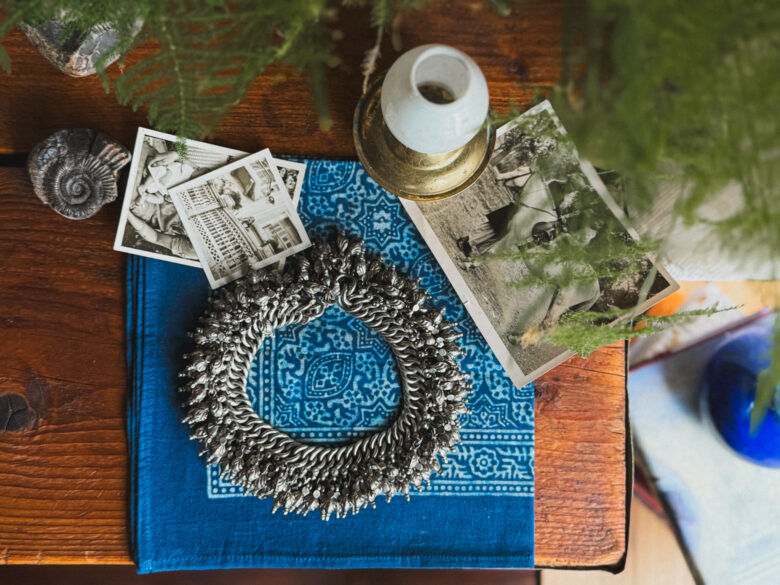
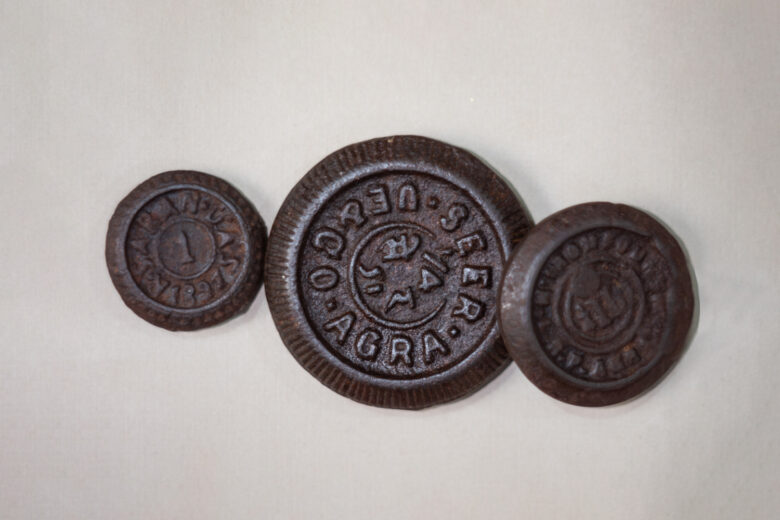
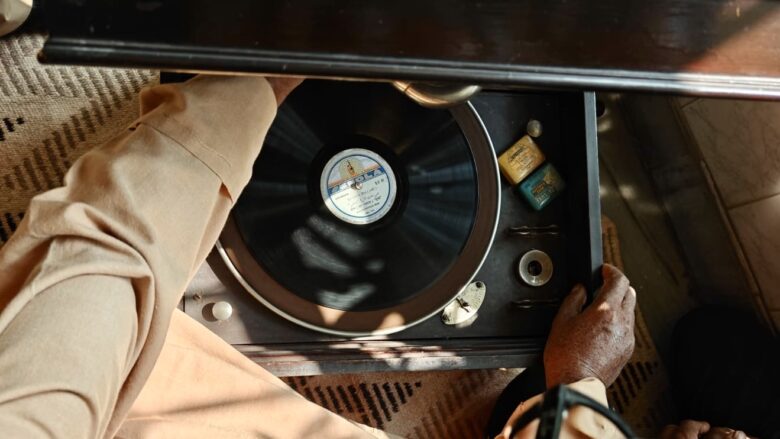
When an object has witnessed Partition, it ceases to be ordinary. In the case of my maternal grandparents, these objects were a framed portrait of my nana, his personal diary, and a silver drinking bowl. A photograph of my nani, Razia Ummul Baneen, holding her first born, my uncle, in her arms. The family also carried a folding wooden chair, a sewing machine, its table and motor, some clothes, and a tarazu. All these made the journey from Delhi to Karachi.
Sarat Chandra Chatterjee’s Burmese Crocodile

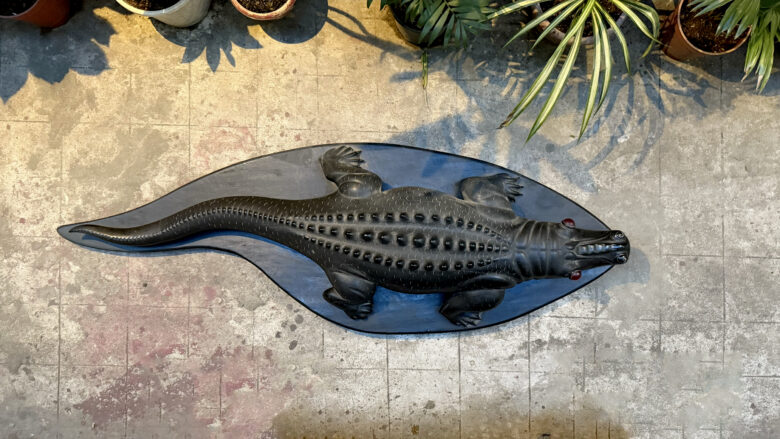
I have seen the wooden crocodile crouched under my mother’s cousin’s shelf for several years now. This Burmese crocodile can be traced back to Sarat Chandra Chatterjee – the renowned literary figure whose contributions to Bengali literature have been immense, most notably Devdas – who spent years living in Burma, working as a clerk.

A Tin of One’s Own

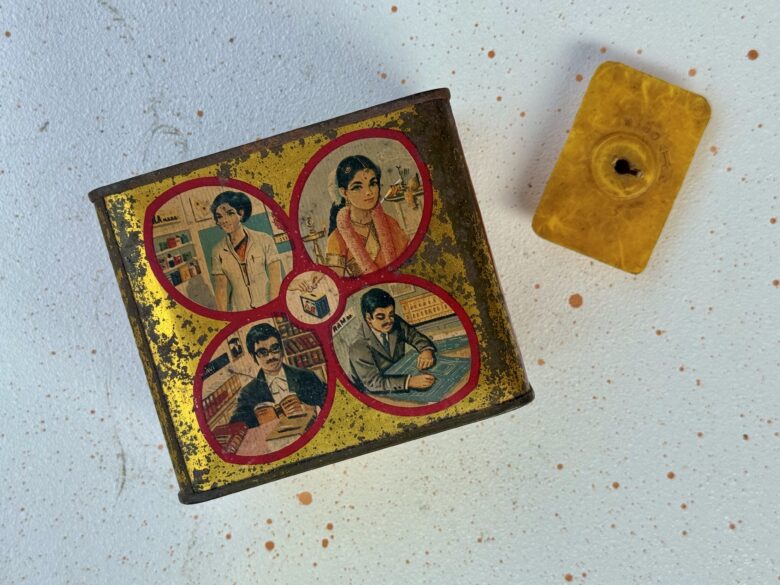
My grandfather, Divan Mohideen, bought a red and yellow tin coin bank in 1968, when he was 22 years old. It came from the Madras Central Co-operative Bank Ltd., one of the oldest banks in the city, its roots reaching back to the 1930s. The British had a curious habit – banks in London often gave small metal coin boxes to families, especially children, to teach them thrift and discipline.

Close
© Copyright 2024. All rights reserved.
Close

Subscribe to the Museum

Receive a new story from somewhere in the Indian subcontinent in your inbox every week!

Loading